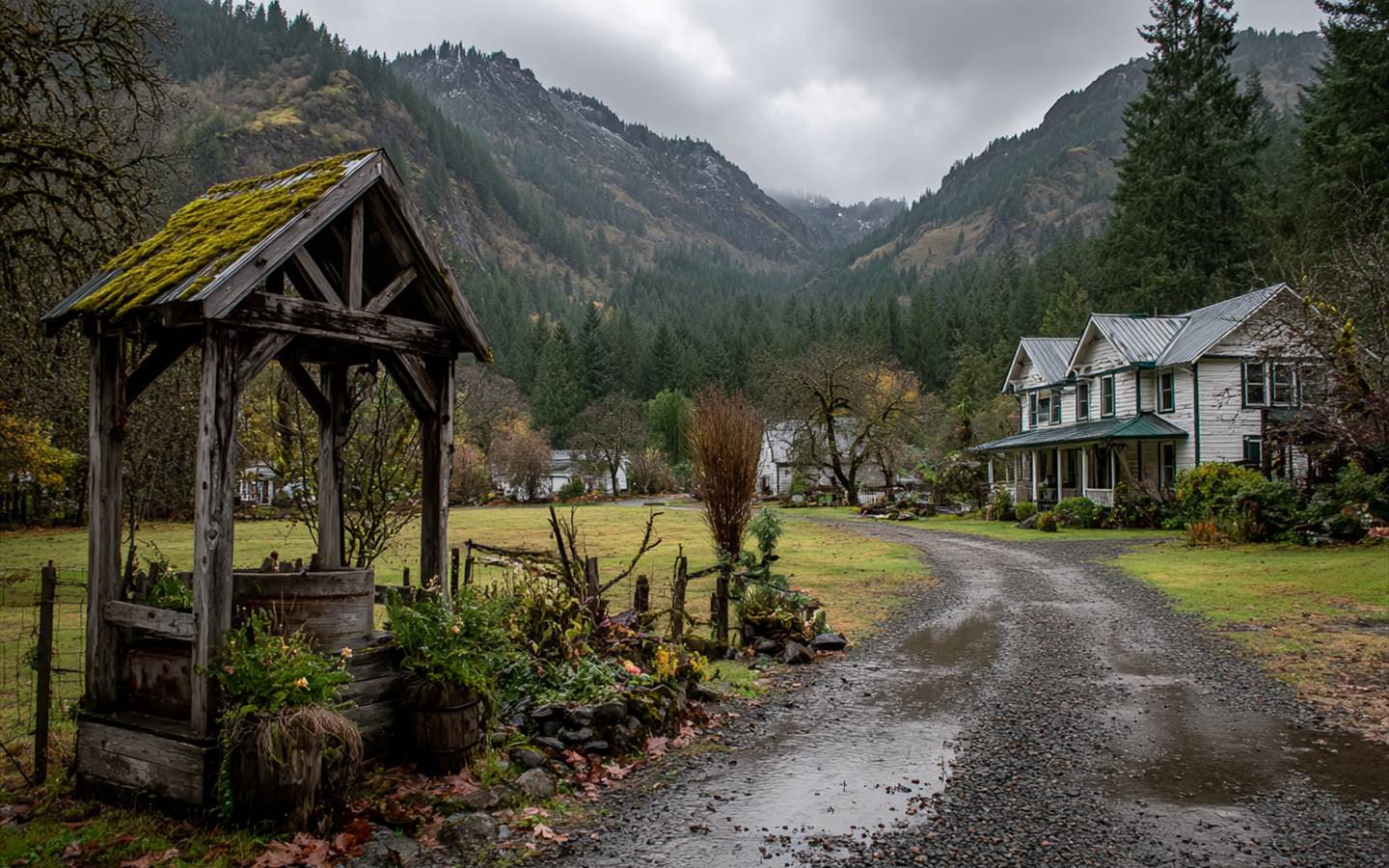
The case: the pump runs and runs, the pressure drops, and the garage floor is wet. Many homes in the Snoqualmie Valley and on the rural edges of the plateau get their water from a private well. A well system adds equipment a city house doesn't have, and when that equipment fails, it can put a lot of water on the floor before anyone notices.
What a Well System Usually Includes
| Part | Where it usually is | What goes wrong |
|---|---|---|
| The well and submersible pump | In the ground outside | Rarely the source of indoor water damage |
| The line from the well to the house | Buried, entering through the foundation or a pump house | Freezing where it rises above ground; cracks at the entry |
| The pressure tank | In a garage, basement, crawlspace or pump house | Failed bladder, leaking fittings, a split at the base |
| The pressure switch and gauge | Next to the tank | Stuck switch keeps the pump running |
| Filters, softeners or treatment | Near the tank | Fittings and drain lines |
| A pump house | A small building near the well | Freezing, flooding, poor heat |
Decide: whether you know where the breaker for the well pump is. Shutting it off is how you stop water on a well system.
Why Well Leaks Run Long
On a city connection, a leak runs until someone closes the main. On a well, it runs until the pump stops. If the pressure switch sticks or a line breaks after the tank, the pump can keep pushing water out. The first sign is often the pump running constantly, low pressure at the taps, or a higher electric bill. In a pump house or a garage nobody visits, that can go on for a long time.
After a Freeze
Pump houses and above-ground line sections freeze first in a cold snap. When they thaw, a split pipe or a cracked fitting at the tank can flood the pump house and, if the tank is in the garage or crawlspace, the house. Keeping a small heat source in the pump house and insulating exposed lines are common precautions; a well contractor can say what fits your setup. More on cold weather: plateau cold snaps.
After a Flood
If river water or surface flooding reached the wellhead, the well may be contaminated. Washington's Department of Health advises testing a private well after flooding before drinking from it, and disinfecting it if needed. The electrical parts of the system may also need checking by a qualified professional before the pump is turned back on. See the Snoqualmie at Fall City and Carnation.
Decide: where the household gets drinking water until the well is tested.
Who Does What
- The well contractor repairs the pump, tank, switch and lines, and tests the water if you ask
- The restoration company dries the garage, crawlspace or rooms the water reached
- You decide who repairs the system, and whether to add a shutoff or alarm
Restoration and well repair are separate trades. The restoration company won't work on the well itself.
Drying Around the Tank
Pressure tanks in garages and crawlspaces usually sit on concrete or gravel, so the damage is often to nearby walls, stored belongings and any finished space next door. In a crawlspace, vapor barriers and insulation may need replacing. Details: water removal and flood cleanup.
Signs to Watch
- The pump cycling on and off rapidly, or running without stopping
- The pressure gauge reading lower than usual
- Water around the base of the tank
- A wet spot where the well line enters the house
- A sudden jump in the electric bill
Before You Leave the House Empty
A well system left running in an empty house is a leak waiting for nobody to notice. Owners of valley and rural places who travel often turn off the pump breaker and close the valve after the tank before they leave, then leave the heat on. If someone checks the house, show them the breaker and the gauge, and what normal pressure looks like.
What to Hand to the Company
- Extraction and drying of the affected space
- Removing wet insulation, vapor barrier or drywall
- Readings until it's dry
- A record of what was damaged for your insurer
Around the Valley
Wells are common around Preston, Ames Lake and outside town in Carnation.
Washington State Department of Health: floods and drinking water
Questions
How do I stop water on a well system?
Turn off the breaker for the well pump, then close the valve after the pressure tank if there is one.
Should I test the well after a flood?
Yes, before drinking from it, if floodwater reached the wellhead.
Can the restoration company fix the pressure tank?
No. That's a job for a well or pump contractor. The restoration company dries the house.
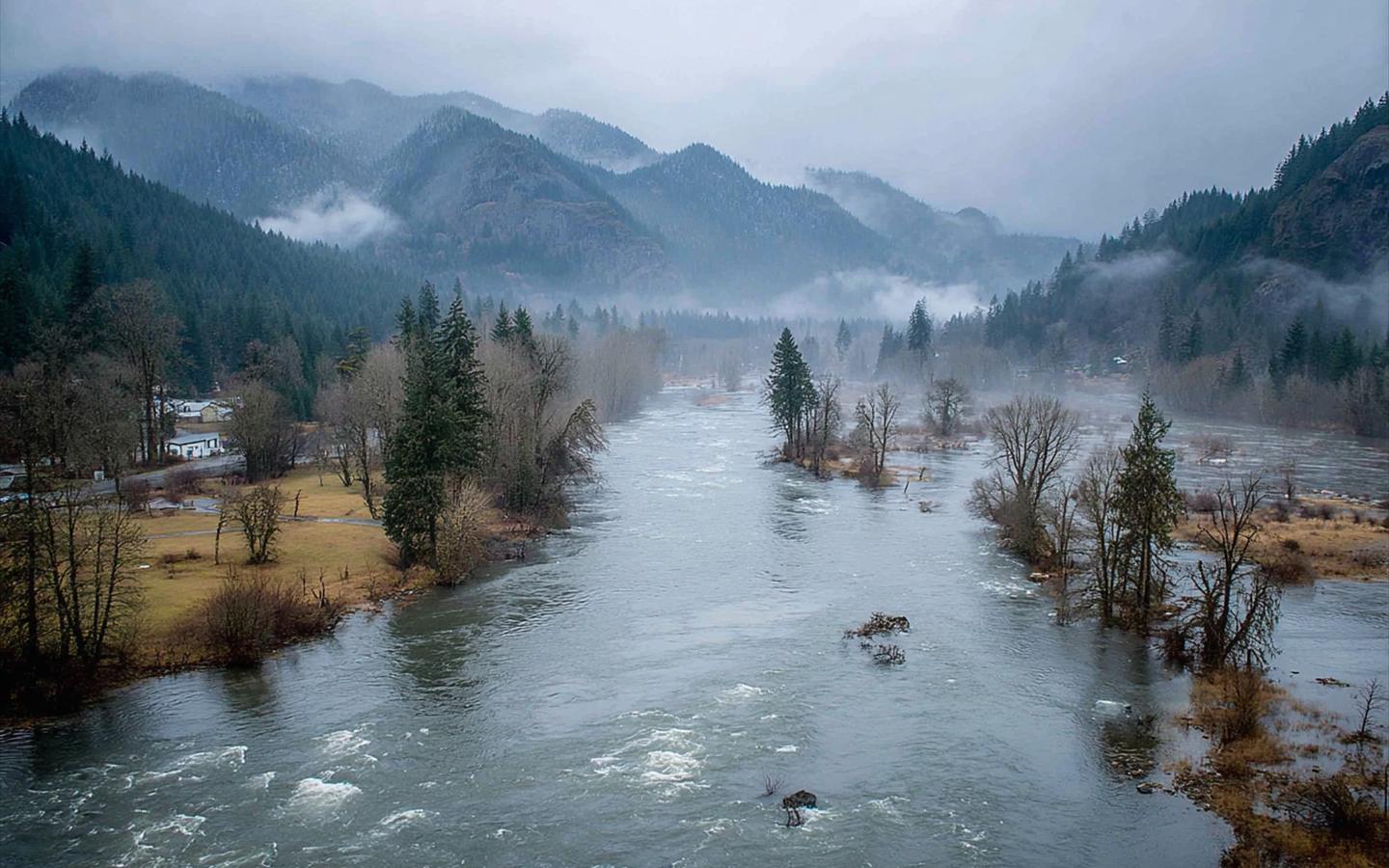
The Snoqualmie River at Fall City and Carnation
Flood stages, the Carnation gauge and river water in a house.
Plateau Cold Snaps and Frozen Pipes
What freezes first when the plateau drops into the teens.