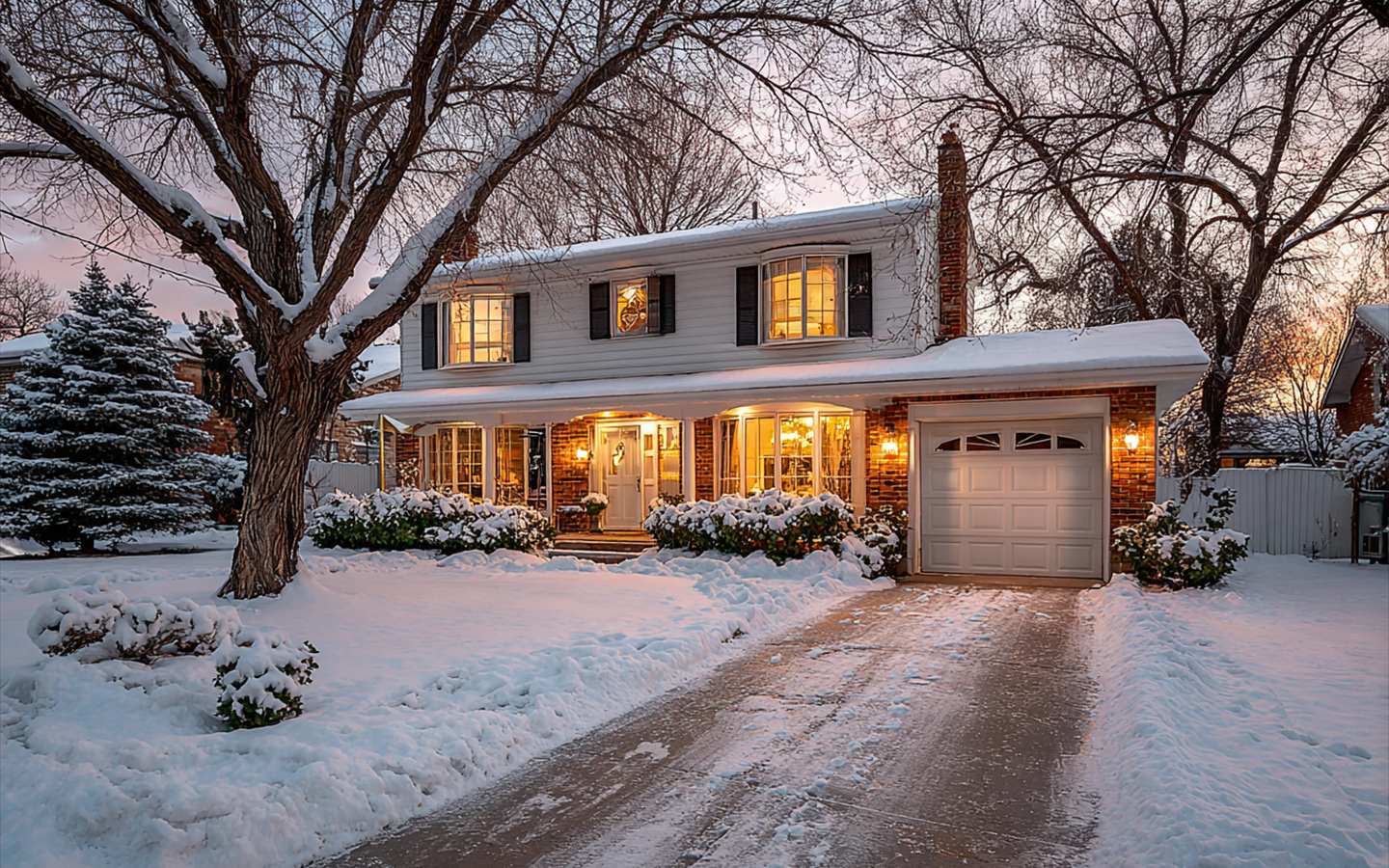
The case: three nights in the teens, then a thaw, then water from the garage ceiling. Western Washington winters are mostly mild and wet, so houses here aren't built with deep cold in mind. Every few years an arctic air mass settles over the region, and the plateau, sitting higher than the lake and the cities to the west, often runs a few degrees colder. That's when pipes that have never had a problem split.
Why the Thaw Is When It Leaks
A frozen pipe usually doesn't leak until it thaws. Ice expands inside the pipe and pushes pressure toward a closed tap or a fitting, which splits. While the line is frozen, the ice holds the water back. When the temperature rises, the ice melts and water pours out of the split, often in a garage ceiling or an exterior wall where nobody sees it start.
Decide: whether to close the main while the line thaws, if you know a pipe froze. It's often the safest choice.
What Freezes First
| Where | Why |
|---|---|
| Hose bibs on the north side | Exposed, and often left with a hose attached |
| Pipes in the garage ceiling or walls | The garage isn't heated |
| Lines in exterior walls | Thin insulation and drafts at outlets and penetrations |
| Bonus room and over-garage supply lines | Cold floor below |
| Irrigation backflow assemblies | Above ground, outside |
| Well lines and pump houses in the valley | Small unheated buildings |
| Water heaters in garages | Their supply and relief lines, more than the tank |
On plateau homes, the garage is the usual problem. Many houses run supply lines for an upstairs bath or the bonus room through the garage ceiling. In valley homes on wells, the pump house and the line to the house are the first to go. See valley wells and pump houses.
During a Cold Snap
Common advice from utilities and emergency agencies: disconnect hoses, keep the heat on even if you're away, open cabinet doors under sinks on outside walls, and let a faucet drip if a line is known to freeze. Keep the garage door closed. If you'll be away, set the thermostat no lower than the mid-50s and have someone check the house.
After a Pipe Splits
- Close the main shutoff, or the valve for that line if you can find it.
- Turn off the water heater if the main is closed for long; follow its instructions.
- Keep away from wet ceilings and electrical fixtures.
- Photograph everything before anything moves.
- Call, and have the line repaired by whoever you choose.
Decide: who repairs the pipe. The restoration company dries the house; the pipe repair is separate.
Drying in Cold Weather
Cold air holds little moisture, but houses in a Puget Sound winter stay damp, so a house is kept closed and heated while dehumidifiers run. A garage ceiling is often opened to let the floor system above dry. Exterior wall cavities may need holes drilled or baseboards removed so air can reach the bottom plate. More detail: mitigation and drying.
Several Houses at Once
A cold snap hits a whole region the same night. When it breaks, restoration companies get calls from across the plateau and the valley at once. Getting the water off and documenting the damage early gives you the strongest position, even if drying starts a little later than you'd like.
Fire Sprinkler Piping
Some newer and larger plateau homes have residential fire sprinklers, with lines running through attics and ceilings. In a garage or an unheated attic space, those lines can freeze too, and a split sprinkler line puts a lot of water down quickly. If your house has a sprinkler riser, know where its shutoff is, and include it when you check the house before a trip.
What to Hand to the Company
- Finding every wet area, including inside exterior walls
- Removing wet insulation and drywall
- Drying in a closed, heated house, with readings
- A scope for the rebuild once the line is repaired
Around the Plateau
Higher ground in the Sammamish Highlands and around Snoqualmie Ridge gets the cold first. In North Bend, closer to the mountains, colder nights are more common.
National Weather Service forecast office for western Washington American Red Cross: winter storm safety
Questions
Should I use a heat gun or torch to thaw a pipe?
No. Open flames and high heat in walls are a fire risk. If a line is frozen, close the main and get help.
Will insurance cover a frozen pipe?
Often, if the house was heated and reasonable care was taken. Policies differ, especially for vacant homes, so read yours.
How do I know a pipe froze before it bursts?
A tap that gives little or no water during a cold snap is a common sign. Close the main until it's checked.
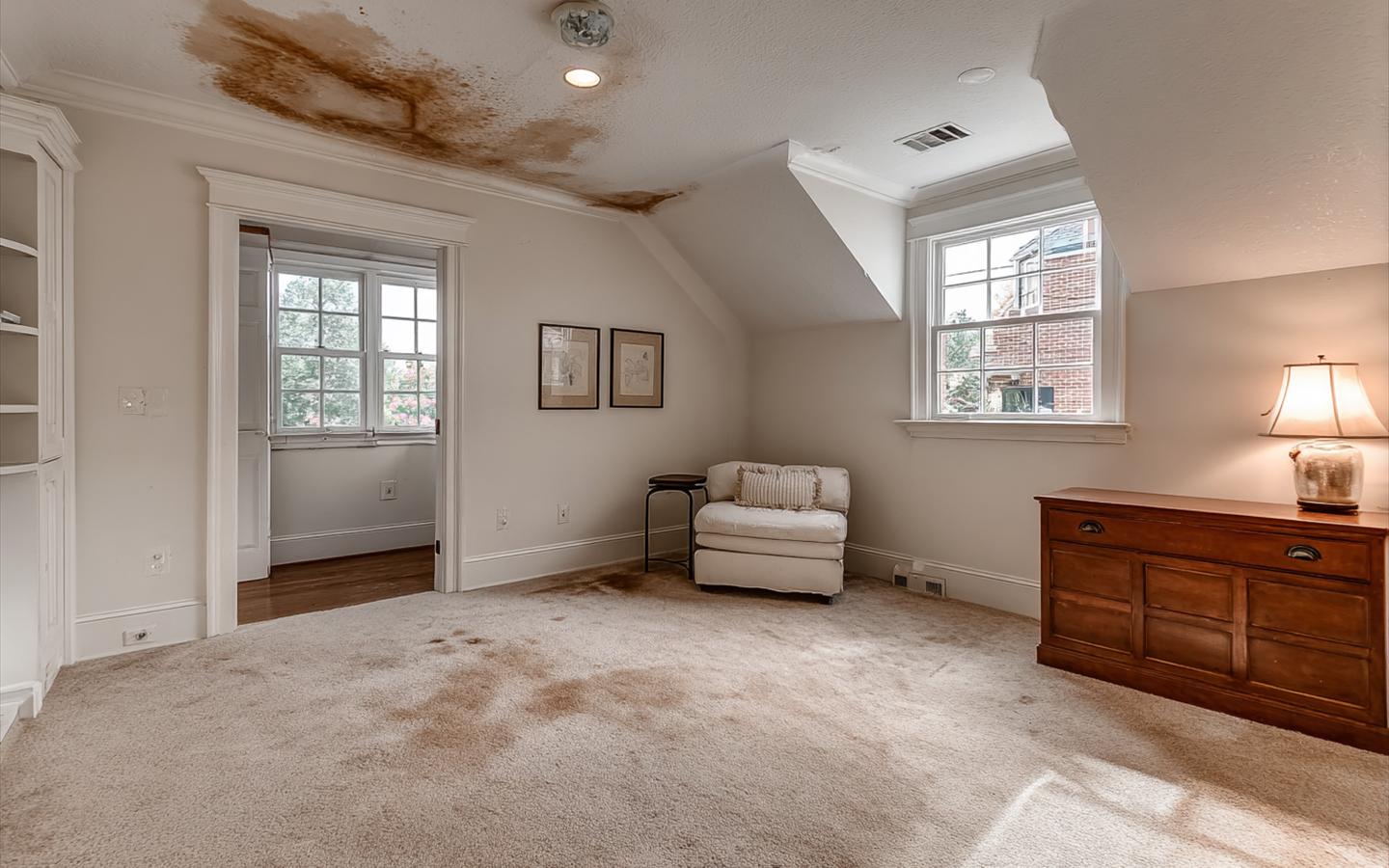
Bonus Rooms Over the Garage: Leaks You Find Late
The room over the cold space, and why water hides there.
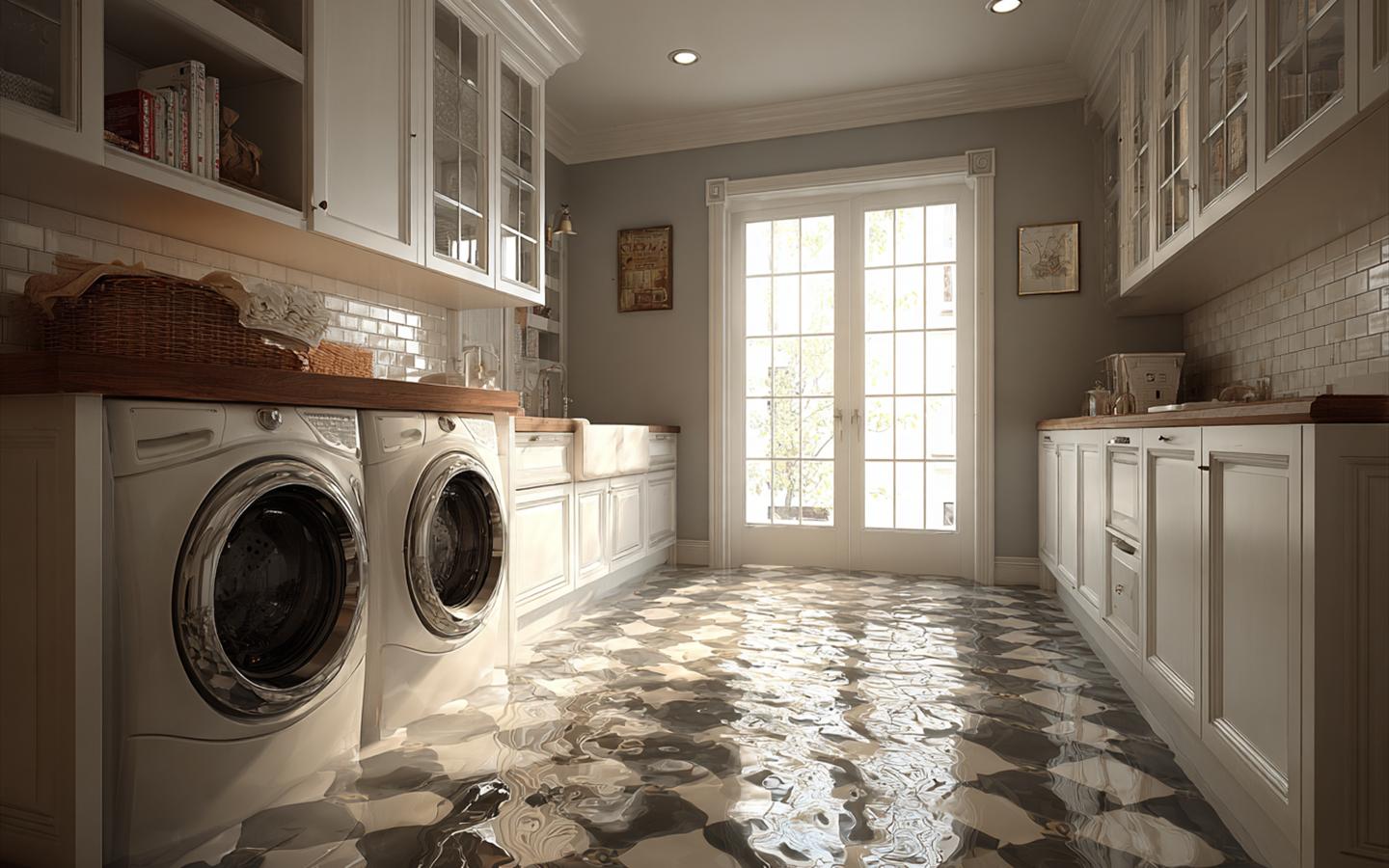
Away From Home: When the Leak Alert Comes
The first hour when nobody's in the house.