The Whole Job in One Paragraph
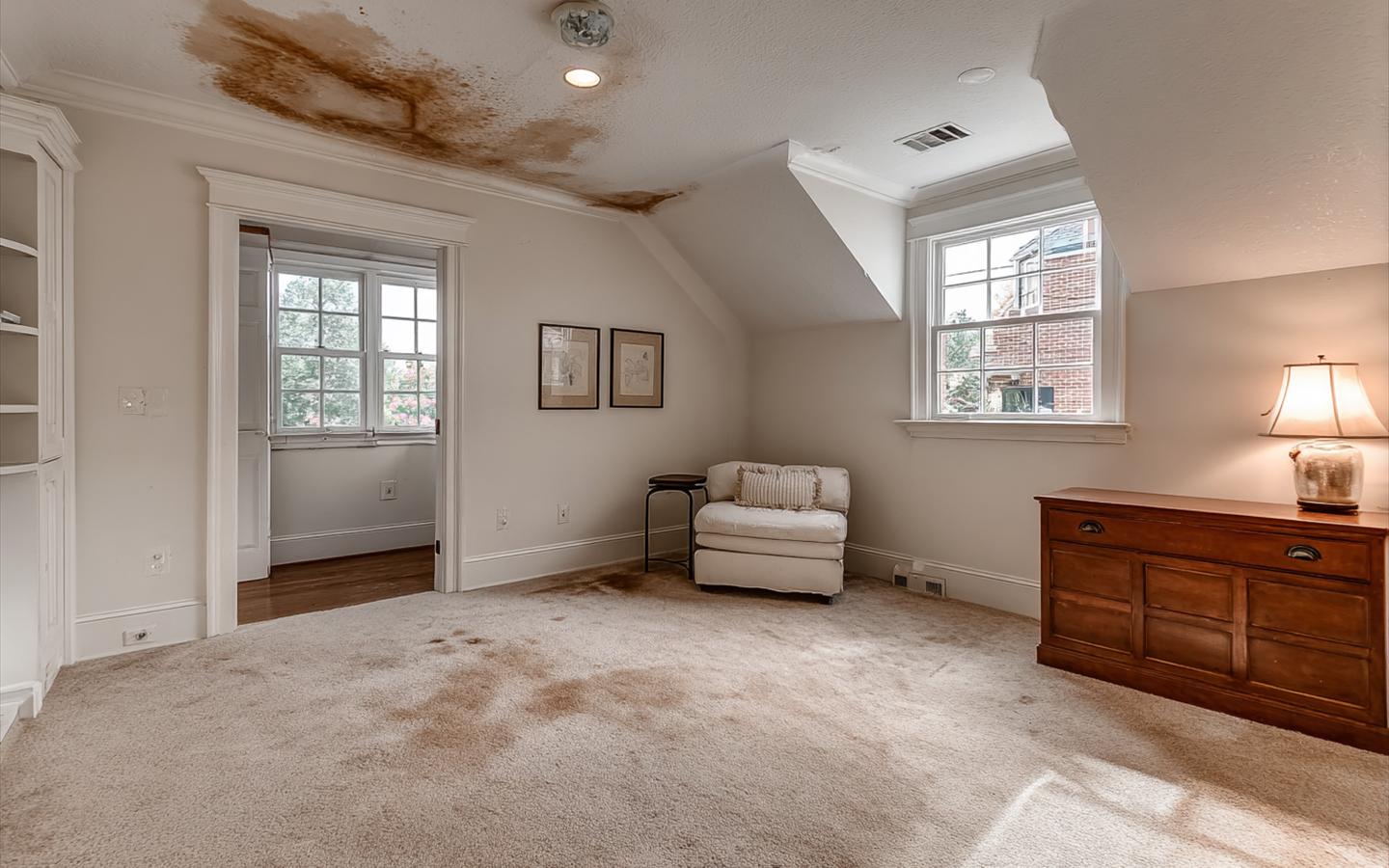
Water damage restoration is the full project: stop the water, dry the structure, take out what can't be saved, and rebuild. A restoration company starts with mitigation, which means extraction, removal of soaked materials and days of measured drying. When the readings say the framing and subfloor are dry, the rebuild begins: insulation, drywall, flooring, cabinets, trim and paint. On a Sammamish house, the second half usually takes longer than the first, because finishes in larger custom and semi-custom homes take time to match. Call (425) 671-1846 to reach a restoration company that works on the plateau.
Decide: whether you want one company to run both halves, or a separate contractor for the rebuild.
Mitigation, Restoration and Repair
People use the three words loosely. On a job they mean different things:
| Term | What the work is | When on the job |
|---|---|---|
| Mitigation | Stopping the damage from spreading: extraction, removal, drying | The first days |
| Repair | Rebuilding what came out | After drying is confirmed |
| Restoration | Both, managed as one project | Start to finish |
Read the scope a company gives you with those words in mind. A "restoration" scope that lists only equipment days is really a mitigation scope. More on the first phase: water mitigation and drying.
How Big Houses Change the Job
Square footage, finishes and floors all add time.
- More floors, more paths. Water from an upstairs laundry or primary bath can travel through a floor system into a great room ceiling, then down a wall into a finished lower level. Each level needs measuring.
- Open plans dry slowly. A great room open to the kitchen and a two-story entry is one big volume of air. It takes more dehumidifiers to pull moisture out of it than a closed-off bedroom.
- Hardwood runs a long way. A single run of hardwood through a kitchen, dining room and hall means water under one end can affect boards at the other.
- Finishes are harder to match. Custom cabinets, stone, wide-plank floors and specialty paint colors slow the rebuild.
- More systems. Two water heaters, a recirculation pump, a wet bar, an ice maker and irrigation lines are all extra sources. See big-house plumbing.
Decide: which rooms you can live without for a week or two while drying and rebuilding happen.
Water through more than one floor?
Mitigation first, repairs after: (425) 671-1846.
Call (425) 671-1846Choosing a Company
Before anyone opens walls in your house:
- Look the company up with Washington's Department of Labor & Industries for an active contractor registration, a bond and insurance.
- Ask for a written scope that separates mitigation from repair, lists the rooms and materials, and says how "dry" will be measured.
- Ask how readings are recorded and whether you'll get a copy of the drying log.
- Ask who does the rebuild. If it's a different company, find out how the handoff works.
- Read anything that assigns your insurance claim slowly before you sign it.
Washington L&I Verify contractor search
Decide: who in your household is the single contact for the company, so questions get one answer.
What Changes the Cost
Prices come from the company, not from this site. These are the things that move the number on a Sammamish job:
- The number of rooms, and of floors, the water got into
- What has to come out: pad, drywall, insulation, cabinets, hardwood
- How long the water sat before drying started
- Clean water from a supply line versus water from outside or the river
- How many pieces of equipment run, and for how many days
- The size of open areas that need drying
- Matching finishes in the rebuild
- Access, including HOA rules for exterior work and parking for equipment
Restoration on the Plateau and in the Valley
On the plateau, most restoration jobs start inside the house. A water heater, a laundry hose, a primary bath, an ice maker line. The house is usually from the 1980s through the 2010s, often two stories over a garage or a daylight basement, in a subdivision with an HOA.
In the valley, the outside matters more. Fall City, Carnation and Duvall sit beside the Snoqualmie, and homes on wells add pressure tanks and pump houses to the list. River water is treated as dirtier than a clean supply-line leak, which changes what can be saved. See water removal and flood cleanup.
Does a Restoration Company Handle the Insurance Claim?
It documents the damage, keeps readings and photos, and many work with insurers every day. The claim itself is between you and your insurer. Keep your own copies of everything.
How Long Does a Whole Restoration Take?
Drying a clean-water job typically takes three to five days. The rebuild depends on what came out and how hard finishes are to match; in large homes with custom work it can take several weeks.
Restoration Around Sammamish
The plateau
- Town CenterThe plateau
- KlahanieThe plateau
- TrossachsThe plateau
- AldarraThe plateau
- Sammamish HighlandsThe plateau
Along the lakes
- Pine LakeAlong the lakes
- Beaver LakeAlong the lakes
- SahaleeAlong the lakes
- InglewoodAlong the lakes
- East Lake SammamishAlong the lakes
Down in the valley
- Fall CityDown in the valley
- CarnationDown in the valley
- DuvallDown in the valley
- SnoqualmieDown in the valley
- North BendDown in the valley
- PrestonDown in the valley
North of the plateau