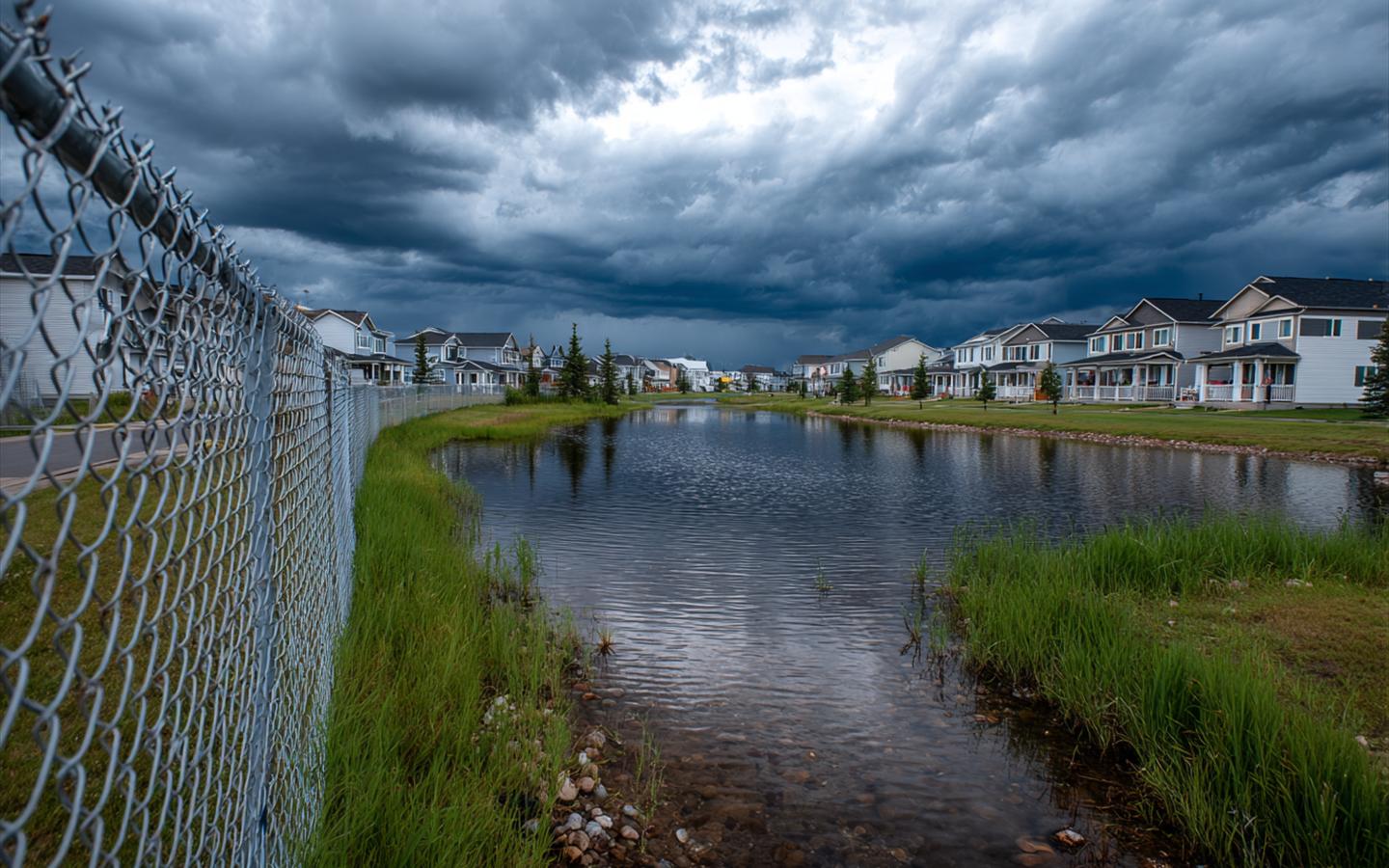
The case: after a week of atmospheric-river rain, water comes in under the daylight door. The house is in a newer subdivision with a storm pond at the bottom of the street and a grassy swale along the sidewalk. The system has handled every storm for years. Plateau subdivisions are built with drainage designed in, but a lot of water moves across them, and the lowest houses and doors are where it shows up when something falls behind.
How Subdivision Drainage Works
Rain that lands on roofs, driveways and streets has to go somewhere. In a plateau subdivision, it usually flows:
- From the roof into gutters and downspouts
- From downspouts into a tightline (a solid pipe) or splash blocks
- Across the yard or through yard drains toward the street
- Into catch basins, swales or bioswales along the road
- Into a storm pond or vault that holds water and releases it slowly
Each step has a way to back up. Gutters clog with needles, tightlines crack or fill with roots, yard drains silt up, and catch basins collect leaves. Storm ponds are sized for design storms and drain slowly on purpose.
Where It Reaches the House
| Where | What usually happened |
|---|---|
| Under a daylight door on the low side | Runoff from the yard or a driveway headed for the door |
| Along the base of a lower-level wall | Ground saturated around the foundation |
| In a window well | The well's drain clogged, or it filled with runoff |
| Through the garage door | The driveway slopes toward the house |
| In a crawlspace | Downspouts emptying next to the foundation |
Decide: whether the water came in at a door or through the wall. They're fixed in different ways.
Big Lots, Slopes and Neighbors
Larger lots and sloped ground mean more water crossing each yard. On a hillside lot, the house on the downhill side receives whatever the uphill yards shed. Fences, new patios and landscaping changes can shift where water flows. If water started showing up after a neighbor regraded or added hardscape, note the date.
Who Owns What
This varies by subdivision. Storm ponds and the pipes feeding them are typically owned and maintained by an HOA or by the city, depending on how the plat was set up. Yard drains, tightlines and downspouts on your lot are yours. If a catch basin in the street is clogged or a pond is overflowing, report it to the HOA or the City of Sammamish. Water moving between lots is often a conversation between neighbors before it's anything else.
Cleaning Up After Outside Water
Water from the yard or the street isn't clean. Restoration companies treat it as more contaminated than a burst supply line, so carpet and pad that soaked it up usually go, and hard surfaces get cleaned before drying. Details are on water removal and flood cleanup. If the lower level is finished, see finished basements and lower levels.
Bioswales and Rain Gardens
Newer plateau developments often use bioswales and rain gardens instead of pipes alone. These are shallow, planted channels and basins built to slow water down and let it soak into the ground. They work well, but they hold water on purpose, sometimes close to houses. When a swale's outlet clogs or its soil compacts, water can sit in it longer and spread toward a foundation or a driveway. A rain garden that overflows in a big storm usually has an overflow route; if that route points at your house, tell whoever maintains it.
Before the Next Storm
Owners who've had water in once often have a drainage contractor or the HOA look at the system: gutters cleaned before November, downspouts carried away from the foundation, yard drains flushed, and the grade near the house sloped away. The restoration company dries the house; the drainage fix is separate.
Decide: who looks at the drainage once the house is dry.
What to Hand to the Company
- Extraction and cleaning appropriate to outside water
- Removing soaked materials in the lower level
- Drying and readings
- Notes on where the water entered, which help whoever fixes the drainage
Around the Plateau
Planned communities like Klahanie were built around greenbelts and ponds. Hillside lots in Inglewood get runoff from above. Lake lots around Pine Lake sit close to the water table.
Washington Department of Ecology: stormwater
Questions
Is a full storm pond a sign of a problem?
Not by itself. Ponds hold water during storms and release it slowly. One that stays high long after rain stops may need maintenance.
Who do I tell about a clogged street drain?
The HOA, or the City of Sammamish if the street is public.
Will homeowner insurance cover water from the yard?
Often not as "flood," but policies vary. Ask your insurer how they classify surface water.
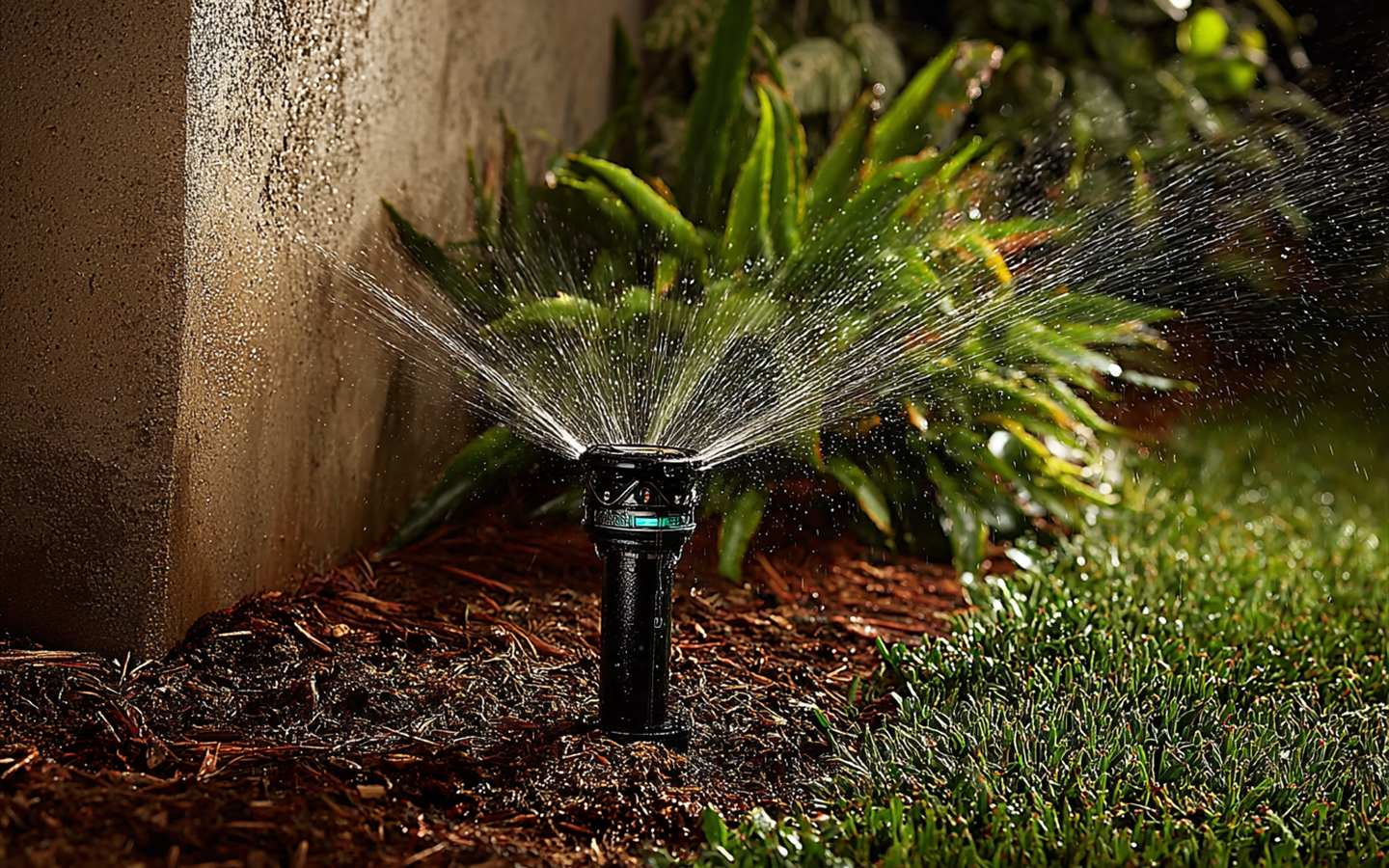
Irrigation and Sprinkler Leaks Against the Foundation
Summer water in a lower level.
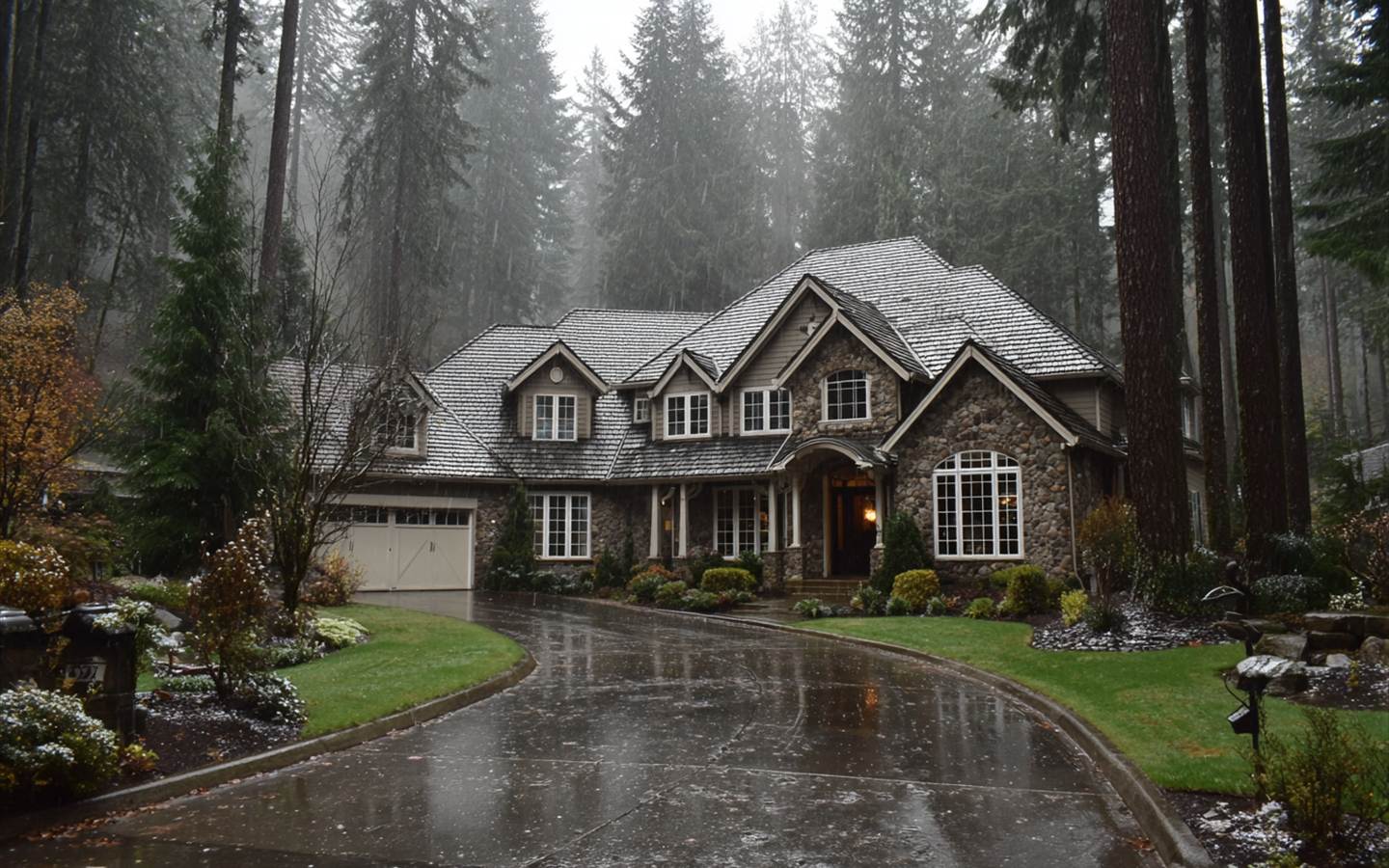
HOA Approvals for Water Damage Repairs
What the association signs off on, and what it doesn't.