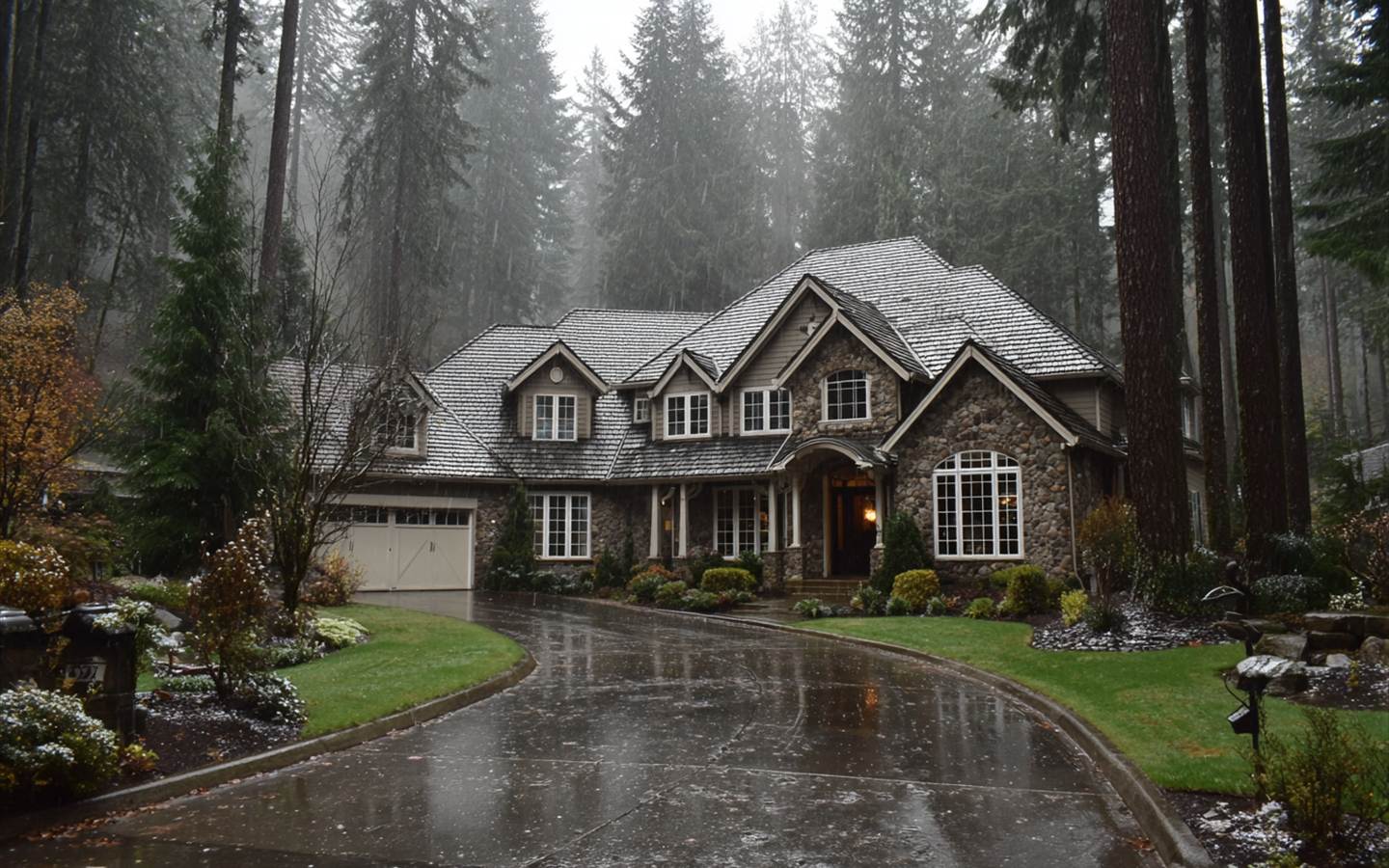
The case: the drying is done, the scope includes new siding on one wall, and the HOA wants a form. Most plateau subdivisions have a homeowners association with covenants and an architectural approval process. After water damage, owners are often unsure what the HOA needs to see, and when. Usually the answer is: much less than they fear, but not nothing.
What HOAs Usually Approve
Architectural approval is mostly about what's visible from outside. Covenants on plateau subdivisions commonly require approval for:
- Siding, trim and exterior paint colors
- Roofing materials and colors
- Windows and exterior doors
- Fences, decks and patios
- Grading and drainage changes that affect neighbors or common areas
- Equipment placed outside, sometimes including temporary dumpsters or storage pods
Interior repairs, such as drywall, flooring, cabinets and paint inside, generally don't need HOA approval in a single-family home. Your own covenants are what count, so read them or ask the HOA.
Decide: whether anything in the scope touches the outside of the house. If not, the HOA probably isn't involved in the repair.
During Mitigation
Emergency work usually comes first and approval later, but it helps to tell the HOA early if crews will park trucks, run hoses across a shared sidewalk or put a dumpster in the driveway. Some HOAs limit how long a dumpster or pod can stay. A quick email avoids a letter later.
Townhomes and Condos
Attached homes are different. In a townhome or condo community, the declaration decides who owns and maintains walls, roofs, pipes and other parts of the building. Water that crosses from one unit to another, or that came from a common element, may involve the association's insurance as well as yours. Washington's Uniform Common Interest Ownership Act (RCW 64.90) governs many newer communities; older ones may fall under earlier laws. If you're in an attached home near the Town Center, read the maintenance and insurance sections of your declaration first.
Timing the Rebuild
Architectural committees often meet monthly. If the scope includes exterior work, submit early so approval doesn't hold up the rebuild once drying is finished. A typical submission includes:
- A short description of the damage and the repair
- Photos of the existing condition
- Material and color samples or product names, usually matching what's there
- The contractor's name
Matching existing materials and colors is usually approved quickly. Changing them may need more discussion.
Decide: whether you'll match exactly what was there, or use the repair to change something.
Permits Are Separate
HOA approval doesn't replace a city permit, and a permit doesn't replace HOA approval. Structural, plumbing, electrical and mechanical work often needs a permit from the City of Sammamish, or from King County in unincorporated areas. More on that: repair and rebuild.
When Water Came From a Neighbor or Common Area
If water came from a neighbor's yard, a shared drainage system or a pond the HOA maintains, tell the HOA in writing with photos and dates. It may need to fix its own system, and its insurance may be involved. See storm ponds and drainage.
Keeping the Paper Trail
Letters and emails to the HOA are worth keeping in one folder. Save the date you first told the association about the damage, any reply, the approval itself with its conditions, and the final sign-off if the committee inspects the finished work. If the house is sold in the next few years, a buyer's agent or the association's resale certificate may ask whether exterior work was approved. A clean record answers that in a minute. The same folder can hold the drying readings, the scope and the permit records, so everything about the loss is in one place.
Decide: who in the household keeps that folder.
When You Disagree With the HOA
Sometimes the committee asks for a different material or color than the insurer will pay for, or a wider repair than the damage needs. Ask the HOA to put its reasons in writing, check what the covenants actually say, and share the request with your insurer. Most disagreements settle once everyone sees the same documents.
What to Hand to the Company
- Photos and a written scope you can attach to an HOA submission
- Product and color information for matching
- A schedule that allows for approval times
Around the Plateau
HOAs cover large areas in Klahanie and Trossachs. Townhome communities near Town Center have shared walls and declarations to read. North of the city, Union Hill-Novelty Hill has its own master-planned communities.
RCW 64.90, Washington Uniform Common Interest Ownership Act
Questions
Do I need HOA approval to replace drywall?
Usually not, for interior work in a single-family home. Check your covenants.
Can the HOA stop emergency drying?
It's unlikely. Drying protects the house and the neighborhood. Tell the HOA about trucks and dumpsters as a courtesy.
Who pays if the water came from a common area?
It depends on your declaration and the association's insurance. Write to the HOA early.
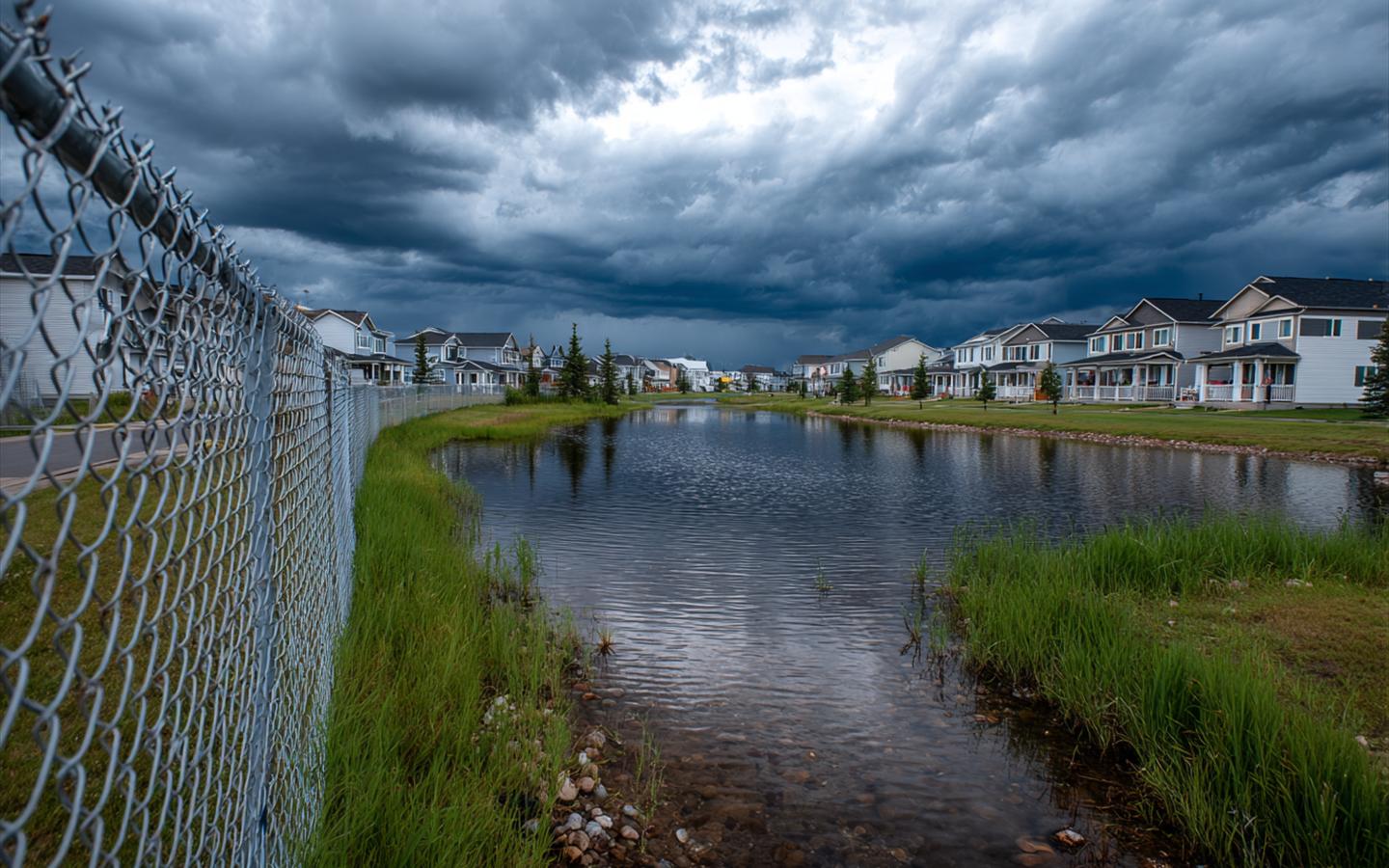
Storm Ponds, Bioswales and Big-Lot Drainage
Where subdivision water goes, and when it heads for the house.
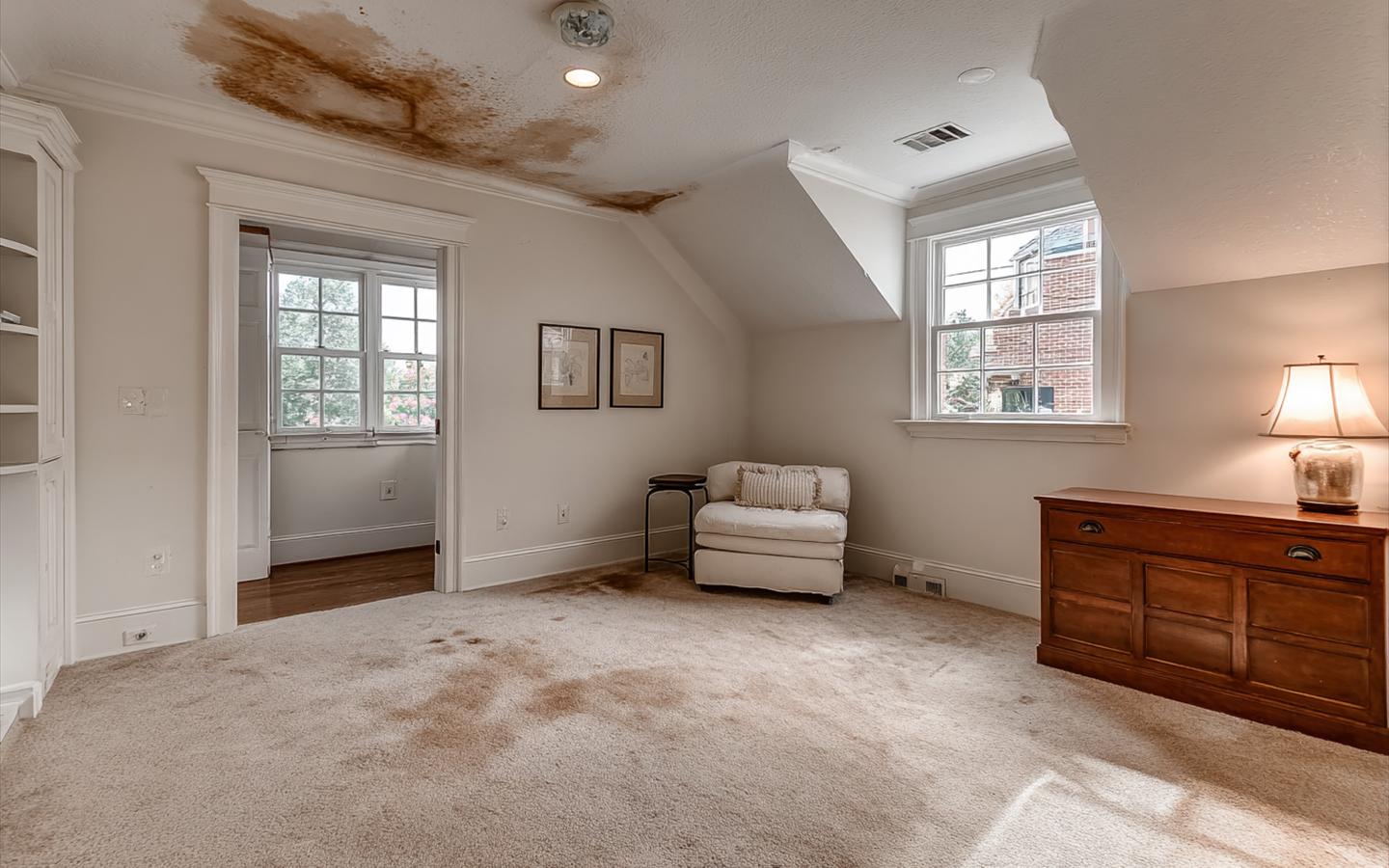
Bonus Rooms Over the Garage: Leaks You Find Late
The room over the cold space, and why water hides there.